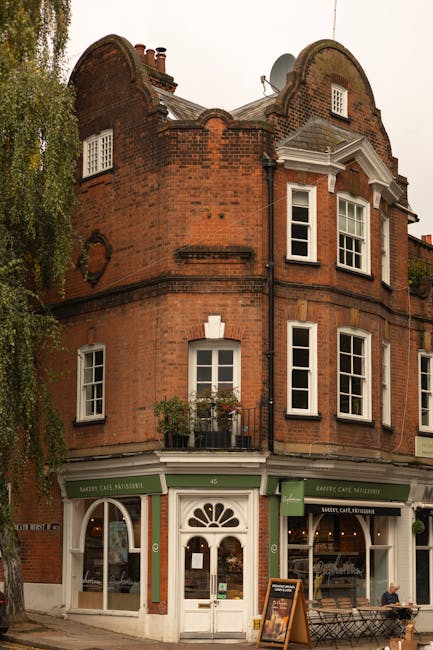
Top gardeners for Hampstead Village Flask Walk
Finding the Top gardeners for Hampstead Village Flask Walk is not just about keeping a garden neat. In a place like Hampstead Village, where mature trees, compact front gardens, shared boundaries, and older properties all shape the work, the right gardener needs a good eye as well as proper judgement. You want someone who understands seasonal rhythm, respects neighbours, and can make a small space feel quietly excellent rather than overworked.
This guide breaks down what to look for, how the service typically works, and what separates a dependable gardener from someone who simply turns up with a mower and a polite smile. You will also find a checklist, a comparison table, and a few practical examples, because let's face it, the details matter here.
If you are comparing providers, it also helps to understand the wider service picture. A local company's services overview, pricing and quotes, and about us pages can tell you a lot about how they work before you even pick up the phone.
Table of Contents
- Why Top gardeners for Hampstead Village Flask Walk Matters
- How Top gardeners for Hampstead Village Flask Walk Works
- Key Benefits and Practical Advantages
- Who This Is For and When It Makes Sense
- Step-by-Step Guidance
- Expert Tips for Better Results
- Common Mistakes to Avoid
- Tools, Resources and Recommendations
- Law, Compliance, Standards, or Best Practice
- Options, Methods, or Comparison Table
- Case Study or Real-World Example
- Practical Checklist
- Conclusion
- Frequently Asked Questions
Why Top gardeners for Hampstead Village Flask Walk Matters
Flask Walk sits in an area where outside space often has to work hard. Gardens can be narrow, shaded, exposed to passing foot traffic, or tucked behind period homes where access is a little awkward. That means gardening here is rarely a one-size-fits-all job. The best local gardeners know how to balance appearance, plant health, access, and practicality without making a fuss.
This matters for several reasons. First, garden maintenance is not only about looks. It affects how usable the space feels, how safe it is to walk through, and how much ongoing work you will face later in the year. Second, poor cutting, rushed pruning, or overfeeding can create more problems than they solve. A patchy hedge or a stressed border can take months to recover. Third, in a neighbourhood where presentation matters, a tidy garden can lift the whole feel of a property. That is especially true for front gardens and entrance spaces, where the first impression happens before anyone has even knocked.
There is also a local reality to think about. Hampstead gardens often contain a mix of established shrubs, older soil structures, and occasional awkward corners that do not drain brilliantly after heavy rain. The best gardeners do not fight those conditions blindly. They work with them. That is usually the difference between a decent result and a genuinely good one.
Expert summary: The top gardeners for Hampstead Village Flask Walk are the ones who combine plant knowledge, tidy workmanship, reliable scheduling, and respect for the character of the property. Fancy tools are useful. Judgment is better.
How Top gardeners for Hampstead Village Flask Walk Works
In practical terms, a good gardening service usually starts with understanding the site. A proper visit or clear initial discussion should cover the size of the garden, access arrangements, the type of planting already in place, and what the space needs most urgently. That might be routine maintenance, seasonal tidy-up work, lawn care, hedge cutting, border management, or a broader garden refresh.
The process is usually straightforward, though the best services make it feel structured rather than improvised. You explain the issues. They assess the work. A plan follows. Sounds simple, but this is where quality shows.
In a local setting like Flask Walk, the gardener may need to think about more than plants. They may need to manage waste removal carefully, work at sensible times, avoid unnecessary disturbance to neighbours, and protect hard surfaces or delicate paving. Good practice also means bringing the right equipment for the job instead of trying to "make do". You know the type of thing: one mower, one hedge trimmer, a hopeful attitude. Not ideal.
Some tasks are seasonal and should be timed properly. Others are recurring, such as general maintenance or lawn mowing. A skilled gardener will normally recommend frequency based on the actual state of the garden rather than a generic package. That is a good sign. It suggests they are looking at the space, not selling from a script.
If you are comparing service levels, it can help to check a provider's health and safety policy and insurance and safety information as part of your decision-making. Not glamorous, perhaps, but very sensible.
Key Benefits and Practical Advantages
The value of hiring the right gardener is easy to underestimate. A tidy garden is the obvious benefit, but there is usually much more going on underneath the surface.
- Better plant health: Correct pruning, feeding, watering, and spacing can reduce stress on plants and improve long-term growth.
- Less ongoing work for you: If a border is managed properly now, it tends to stay more manageable later. That saves time, and honestly, a fair bit of frustration.
- Cleaner presentation: Whether the garden is for family use, entertaining, or simply enjoying from the kitchen window, a neat finish makes a real difference.
- Safer pathways and access: Clear edges, trimmed growth, and removed debris can reduce trip hazards and make the space easier to use.
- Seasonal control: The right work at the right time helps you avoid the usual rush of "why does everything need doing at once?" in spring and autumn.
- Better use of small spaces: In compact Hampstead gardens, good layout and maintenance can make a limited area feel much larger.
There is also peace of mind. A reliable gardener keeps the garden from drifting into that awkward middle stage where it is not quite wild, not quite maintained, and somehow more annoying because of it. That middle stage sneaks up fast.
For many homeowners, the biggest advantage is simple: you can enjoy the garden rather than keep chasing it.
Who This Is For and When It Makes Sense
This service makes sense for a wide range of people in and around Flask Walk. Some need regular upkeep. Others only call in help a few times a year. Both are valid.
Typical people who benefit
- Busy homeowners: If you work long hours or travel often, regular maintenance stops the garden from becoming a weekend project that never ends.
- Older residents: Tasks like hedge cutting, leaf clearance, or border lifting can be physically demanding. A gardener can take the strain off.
- Landlords and property managers: First impressions count, and unmanaged outdoor space can create complaints quickly.
- Families: Safe, tidy outdoor areas are easier to use when children are around. Less clutter, fewer hidden hazards.
- People preparing to sell or let a property: Small improvements in garden presentation can make the whole home feel better cared for.
It also makes sense when you are not sure what the garden needs, but you know it needs something. That is common. People often know the space feels tired, but not whether it needs pruning, soil improvement, replanting, or a complete reset. A seasoned gardener can separate those jobs quickly.
And if you are trying to compare providers, a transparent company will usually explain the scope of work clearly and point you towards pricing and quotes rather than hiding costs in a vague estimate. That is reassuring for most people, and rightly so.
Step-by-Step Guidance
If you are hiring gardeners near Hampstead Village Flask Walk for the first time, the process is easiest when you break it into stages. No drama. Just a sensible sequence.
- Assess the garden honestly. Walk through it and note the main issues: overgrowth, lawn condition, weeds, dead plants, drainage problems, awkward access, or areas you simply do not use.
- Decide your priority. Do you want maintenance, a clean-up, a redesign, or a blend of the lot? A clear priority leads to a better quote and a better result.
- Request a proper discussion. Explain the garden's size, current condition, and any delicate features. A good gardener will ask questions too. They should.
- Check what is included. Ask about materials, waste removal, travel, timing, and whether the quote covers one-off work or ongoing visits.
- Agree the schedule. Some gardens need fortnightly visits. Others are fine with seasonal work. The answer depends on growth rate, exposure, and how much you want to do yourself.
- Prepare access. Clear the gate, move fragile items, and make sure the gardener can reach water or storage points if needed.
- Review the first visit. A good first visit should leave the garden visibly improved and set the tone for the next phase of work.
A useful small detail: if your garden has ornamental plants or old shrubs you are attached to, say so early. It sounds obvious, but it saves mistakes. A gardener cannot protect what they do not know matters to you.
For clients who like to understand the company before booking, the about us page is often a good place to start, and the contact us page is the next sensible step once you are ready to ask questions.
Expert Tips for Better Results
A few small habits make a big difference with garden work. Nothing flashy. Just the kind of practical detail experienced gardeners keep noticing.
- Work with the seasons, not against them. Heavy pruning at the wrong time can reduce flowering or leave vulnerable growth exposed.
- Protect the soil. Repeated trampling on wet ground compacts soil and slows down growth. In smaller gardens, this happens faster than people expect.
- Leave room for air and light. Dense planting looks lovely until disease and mildew start creeping in. A little spacing can help a lot.
- Prefer regular light maintenance over crisis cleanup. Five smaller visits often cost less effort overall than one heroic rescue mission every few months.
- Use clippings wisely. Some waste can be recycled into compost or mulch depending on the garden's needs. Ask about sustainable handling if that matters to you.
- Ask for plain-English explanations. If a gardener recommends a treatment, pruning method, or plant replacement, they should be able to explain why.
One thing we notice often is that gardens on quieter Hampstead streets can be surprisingly shaded. That changes what "good gardening" means. A lawn that looks tired may not be neglected at all; it may simply be in the wrong place for the amount of light it gets. That kind of detail is easy to miss if nobody stops and looks properly.
It is also worth choosing a gardener who thinks about sustainability in a practical way. A service that manages waste thoughtfully and uses resources carefully can often be found through its recycling and sustainability approach. Not a buzzword, just a decent habit.
Common Mistakes to Avoid
People often assume gardening is mainly about cutting things back. Sometimes, yes. But a rushed cut can make matters worse. Here are the usual missteps.
- Choosing on price alone: Cheap work can become expensive if the result damages plants or creates more maintenance later.
- Skipping the site discussion: A quote without context is rarely accurate. The garden's condition matters.
- Ignoring access issues: Narrow entrances, shared paths, or storage limitations can affect how the job is done.
- Over-pruning: People often think "more off = better". Not always. In fact, not often.
- Assuming all gardens need the same schedule: A shady courtyard and a sun-trapped terrace do not behave the same way.
- Forgetting aftercare: If a garden is cleared but not maintained, weeds and regrowth come back quickly.
Another common mistake is not asking what happens if plans change. Maybe you need to postpone a visit because of weather, or maybe the scope shifts once the gardener sees the site. Clear terms avoid awkwardness later. A provider with straightforward terms and conditions is usually easier to work with, simply because expectations are already set.
Truth be told, most garden problems are not dramatic. They are cumulative. A missed trim here, a wet patch there, a few weeds left too long. Then suddenly the whole place looks harder than it should.
Tools, Resources and Recommendations
Good gardeners bring more than a mower and secateurs. The right tools depend on the task, but the principle is consistent: use the tool that suits the plant and the space, not the loudest machine in the shed.
Common tools and what they help with
| Tool or resource | What it is used for | Why it matters |
|---|---|---|
| Secateurs | Pruning small stems and deadheading | Clean cuts reduce damage to plants |
| Hedge trimmer | Shaping hedges and formal shrubs | Keeps growth tidy and even |
| Rake and leaf collector | Clearing debris and fallen leaves | Improves appearance and reduces rot |
| Spade and fork | Border work, edging, and soil improvement | Useful for planting and lifting tasks |
| Compost or mulch | Soil conditioning and moisture retention | Supports healthier planting over time |
| Clear service plan | Defines scope and frequency | Prevents confusion and mismatch |
It helps to think of gardening as part skill, part planning, part maintenance rhythm. The tools matter, sure. But the plan matters more. For service buyers, a solid starting point is to review the provider's services overview and then ask how the recommended work matches your specific space.
If you need budget guidance, look for a clear explanation of what influences the final figure. The best providers do not pretend every garden is the same. They explain why a one-off tidy may differ from a regular maintenance contract, which is exactly what you want to hear.
Law, Compliance, Standards, or Best Practice
For most domestic gardening jobs, the legal side is fairly straightforward, but best practice still matters a great deal. Work should be carried out safely, with suitable equipment, and with care for property, people, and waste handling. That sounds basic, though in reality it is what separates a professional service from a casual one.
In the UK, good practice usually means the gardener should:
- use equipment properly and keep it in safe working order;
- work with reasonable care around paths, steps, walls, and shared access areas;
- understand how to manage waste and plant material responsibly;
- avoid causing unnecessary damage to plants, lawns, fencing, or paving;
- be clear about what is included in the work and what is not;
- carry appropriate insurance where relevant to the service offered.
If a property has shared boundaries or communal access, communication becomes even more important. A thoughtful gardener will work neatly, avoid blocking entrances, and minimise mess. The same goes for noise and timing. Nobody wants a hedge trimmer starting at the wrong moment on a quiet morning, frankly.
For peace of mind, it is sensible to review a company's trust and service information such as insurance and safety, health and safety policy, and even its complaints procedure. Those pages show whether the business has thought beyond the garden bed itself.
Options, Methods, or Comparison Table
Different gardens need different approaches. Here is a simple comparison to help you decide what kind of support fits your situation best.
| Approach | Best for | Strengths | Limitations |
|---|---|---|---|
| One-off tidy-up | Overgrown or neglected gardens | Fast visual improvement, useful before events or property viewings | Does not prevent regrowth without follow-up |
| Regular maintenance | Established gardens needing ongoing care | Keeps work manageable, protects plant health, predictable rhythm | Requires planning and recurring visits |
| Seasonal visits | Gardens that need targeted attention in spring, summer, autumn, and winter | Good balance between cost and upkeep | Less hands-on control between visits |
| Full garden refresh | Spaces needing restructuring or a fresh planting plan | Can transform layout, planting, and usability | Usually takes more time and a bigger budget |
For many Hampstead Village homeowners, regular maintenance is the sweet spot. It keeps the space looking cared for without letting work become a burden. But if a garden has been left alone for a while, one-off clearance is often the sensible first step before anything else.
There is no prize for choosing the most complicated option. The best option is the one that suits the garden you actually have.
Case Study or Real-World Example
Here is a realistic example from the kind of job that comes up often in this part of London.
A resident near Flask Walk had a small rear garden with a patchy lawn, a few mature shrubs, and two borders that had become crowded. The main issue was not neglect as such. It was drift. One season's growth had blended into the next, and the space felt smaller every month. The owner wanted it back under control without stripping out the character of the garden.
The solution was a staged approach:
- clear the paths and remove debris first;
- reduce the heaviest shrub growth carefully, not aggressively;
- reshape the borders so the plants had breathing room;
- treat the lawn as a recovery project, not a miracle;
- set a maintenance rhythm to keep the improvements in place.
The interesting part was that the biggest improvement came from restraint. Less cutting in one area, more clarity in another. That is often the case in older Hampstead gardens, where the original planting still has value but needs better management. Nothing wild, nothing theatrical. Just a calm, competent reset.
The owner also asked for clearer billing and a simple ongoing plan, which is sensible. If you like that style of service, reviewing payment and security information can be reassuring before work begins.
Practical Checklist
Use this checklist before booking gardeners for Hampstead Village Flask Walk. It keeps the process focused.
- Have I identified the main problem areas in the garden?
- Do I know whether I need one-off work or ongoing maintenance?
- Have I checked whether access is easy for tools and waste removal?
- Have I noted any plants, features, or surfaces that need extra care?
- Am I clear on what the quote includes?
- Have I asked about timing, frequency, and follow-up visits?
- Have I reviewed safety, insurance, and service terms?
- Do I understand how waste and clippings will be handled?
- Have I looked at the company's wider information, not just the headline service?
- Do I know the next step if I want to book or ask a question?
If you can tick most of those off, you are already ahead of many customers. Simple, but effective.
Conclusion
The Top gardeners for Hampstead Village Flask Walk are the ones who understand that a good garden is built on consistency, good timing, and careful judgement. In a local setting like this, you need more than a quick tidy. You need someone who can read the space, respect its character, and keep it looking calm and cared for through the seasons.
Whether you are dealing with an overgrown border, a lawn that has lost its way, or a garden that simply needs a dependable routine, the right gardener can make the whole space feel easier to live with. Not flashy. Just better. And that is usually what people actually want.
Get a free quote today and see how much you can save.
If you are ready to take the next step, start with a simple conversation, ask clear questions, and choose a service that feels transparent from the start. A well-kept garden has a way of changing the feel of a home, almost quietly. One day you notice the light on the leaves, the clean edge along the path, the small sense of order. That's the good stuff.
Frequently Asked Questions
What do the top gardeners for Hampstead Village Flask Walk usually do?
They typically handle garden maintenance, pruning, hedge cutting, lawn care, border work, clear-ups, and seasonal tidying. Some also help with planting and garden refresh projects. The exact service depends on the property and the level of care needed.
How do I know if I need a one-off tidy or regular gardening visits?
If the garden has become overgrown or messy, a one-off tidy is often the best first move. If you want the space to stay consistently neat, regular maintenance is usually better. A good gardener will help you decide based on the garden's condition.
Is it worth hiring a gardener for a small Hampstead garden?
Yes, often it is. Small gardens can become cluttered or unbalanced quite quickly, and precise work matters more in tighter spaces. A skilled gardener can make a compact garden feel much larger and easier to use.
What should I ask before booking a gardener?
Ask what is included, how often they recommend visits, how waste is handled, whether they carry insurance, and how they price different types of work. Those questions give you a much clearer picture than a price alone.
Do gardeners in Hampstead Village need to work around access problems?
Often, yes. Narrow entrances, shared paths, side access, and limited storage are common in London properties. A local gardener should be comfortable working neatly in those conditions without making a mess of the place.
How can I compare gardeners fairly?
Compare like for like. Look at scope, timing, safety, insurance, quote clarity, and whether they understand your specific garden. A slightly higher quote may still be better value if it includes more careful, more complete work.
What if I have plants I want to keep?
Tell the gardener early. Mark them if needed. A good gardener will work around valuable shrubs, bulbs, or established plants and avoid treating them like general clutter. That conversation matters more than people think.
Can a gardener help improve how my garden looks for selling a property?
Yes. First impressions count, and a tidy, balanced garden can make a property feel much better maintained. Even modest improvements, like edge definition and border cleanup, can change how the space is perceived.
Should I check insurance before hiring a gardener?
Yes, that is sensible. Insurance and safety information helps you understand how a business manages risk and protects both the property and the work itself. It is one of those unglamorous checks that can save trouble later.
What is the best time of year to book garden work in Hampstead Village?
It depends on the job. Spring and autumn are popular for clearing, planting, and reshaping, while summer is often busy with maintenance. Winter can be useful for planning and heavier structural work, weather permitting.
How do I avoid paying for unnecessary gardening work?
Be specific about what you want, ask for a clear quote, and make sure the gardener explains why each task is recommended. Honest providers should be happy to separate essential work from optional extras.
What makes a gardener truly reliable?
Reliability usually shows up in the small things: clear communication, punctual visits, tidy workmanship, practical advice, and a sensible approach to the garden rather than a one-size-fits-all routine. That is the real test.
If you would like to learn more about the company behind the service, you can also review the recycling and sustainability approach and the wider support information on the site. Little things, yes, but they add up.