Gardening Services in Hampstead

Gardening Services Hampstead provides practical garden care in Hampstead for household outdoor spaces that need regular attention, seasonal tidying or more involved improvement work. The service can cover routine maintenance, hedge trimming, lawn mowing, planting support and clearance work, with a focus on keeping the garden orderly, manageable and ready for everyday use. Whether a garden needs a light refresh or a fuller reset, the aim is to handle the work carefully and sensibly.
We support front gardens, back gardens and shared outdoor areas where consistent upkeep matters. That may include keeping growth under control, improving shape and structure, removing unwanted waste and helping planted areas stay neat. For larger changes, our landscaping and garden improvement work can help reshape spaces that have become tired or difficult to maintain, while still keeping the approach grounded in clear, practical tasks.
For a straightforward way to plan the work, start with the main tasks you want done and the condition of the garden now. A few details about access, size and what needs attention will help the quotation process move more smoothly. Tell us what the garden needs, and we can guide the next step from there.
Regular Garden Maintenance and Seasonal Upkeep
Routine garden care is often the easiest way to stop a space from becoming overgrown or difficult to use. Our garden maintenance work can include clearing light debris, managing borders, tidying beds, cutting back growth and keeping paths, edges and planting areas in better order. It is useful for gardens that need steady attention rather than a one-off overhaul, especially where different parts of the space require different kinds of care.
Seasonal changes can affect how much work the garden needs, so maintenance plans often shift through the year. In growing periods, attention may move toward regular cutting and trimming, while quieter months can suit tidying, pruning and preparing the space for the next phase. If you want to discuss that kind of ongoing care, our garden maintenance page gives a useful starting point for the work we cover.
What regular upkeep can include
Useful maintenance tasks often fall into a few clear groups: mowing, hedge shaping, border cleanup, leaf collection, light pruning and removal of general garden waste. These jobs can be combined in different ways depending on how much control the garden needs. In practical terms, that means focusing on the parts that are getting out of hand first, then bringing the rest of the space back to a clean and consistent finish. Small changes can make a noticeable difference when they are applied in the right order.
Lawn Care, Hedge Trimming and Tidy Borders

Lawn mowing and hedge trimming are two of the most visible parts of garden work, and they often shape how the whole space feels. A cut lawn can make paths, beds and patio edges look cleaner, while well-managed hedging helps define boundaries and keeps planting in proportion. These tasks are especially useful where growth has become uneven or where the garden needs a more finished appearance without major alteration.
Our lawn-mowing service is suited to gardens that need a dependable cut and tidy finish, while hedge-trimming helps restore shape, control spread and reduce the heavy look that can build up over time. Border edges, clipped shrubs and clean lines can all support a more orderly look, and they also make later maintenance easier. If the garden has overgrown corners or awkward patches, we can build the work around those areas first.
Where a garden has both soft and structural growth, the sequence matters. Cutting the lawn before trimming nearby hedges, for example, can make the final result neater because loose clippings and cuttings are easier to collect in one pass. We also keep an eye on the visual balance between different parts of the garden, so no single area is left looking unfinished. This is often the most effective way to keep the whole space coherent.
Clearing Overgrowth and Removing Garden Waste
Some gardens need more than standard maintenance. When vegetation has spread too far, beds are cluttered or piles of waste are making the space hard to use, garden clearance becomes the most sensible place to begin. That can include removing cut branches, lifting debris, clearing dead material, reducing tangled growth and preparing the site for future planting, repair or routine care. It is a practical way to recover space without overcomplicating the job.
Our garden clearance work is suitable for spaces that need a reset after neglect, weather damage or a long period without attention. Clearance can also support later landscaping or maintenance because it removes the clutter that gets in the way of accessing beds and borders. If the outdoor area has become difficult to walk through, work can be planned around safer access and the parts that need attention first.
When clearance is done well, the result is not just visual tidiness. It also creates a clearer starting point for planting, edging and ongoing care. That matters where the garden contains mixed materials or uneven growth, because different waste types may need sorting as part of the job. For more involved waste-heavy work, it helps to be clear about the amount of material and the condition of the site before the visit. Clear information supports a more accurate quotation.
Landscaping and Garden Improvements
Not every outdoor space needs constant cutting and clearing; some gardens benefit from a more structural approach. Landscaping work can bring together changes to layout, surfaces, borders and planting so the garden works better as a whole. It may suit areas where the current arrangement feels awkward, the flow of the space needs improving or the garden needs a stronger visual structure that is easier to maintain over time.
Our landscaping and landscape-gardening services can support a range of practical changes, from refreshing tired areas to creating a more defined finish across the garden. That may include improving shape, renewing planting zones or introducing better separation between areas used for walking, seating or growing. The right mix depends on the size of the space and how the garden is meant to function day to day.
Price and planning usually depend on the amount of labour involved, the materials needed and how much preparation is required before the main work can begin. For example, a simple adjustment to beds or edges is very different from a fuller reworking of an outdoor area. If you are weighing up options, it can help to think about the final use of the space first, then decide which parts need to be altered and which can stay in place.
About Hampstead
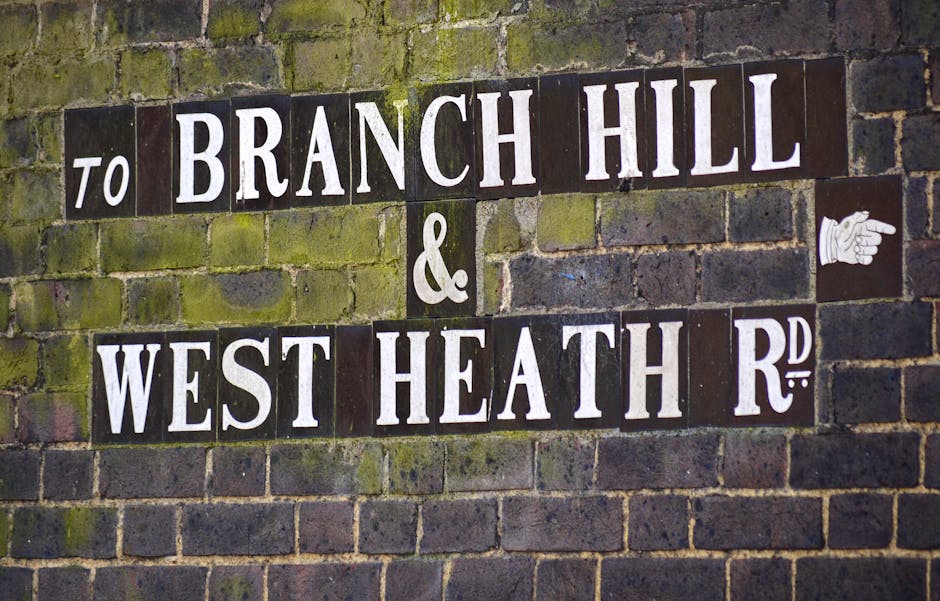
Hampstead is an area in north-west London known for its mix of village-like streets, historic buildings and open green space. At its heart is Hampstead Heath, a large and varied expanse of parkland with ponds, woodland, meadows and long views across the city from higher ground. The Heath has shaped local life for centuries, and its open landscape gives the district a distinctive character compared with denser parts of inner London. Nearby streets contain a wide range of architecture, from Georgian and Victorian houses to later flats and conversions, creating a varied urban pattern rather than a single uniform style. Hampstead has long been associated with arts, literature and intellectual life, and that cultural reputation is reflected in its museums, galleries and independent venues. The area’s high street, side roads and squares combine everyday shopping with cafes, pubs and older civic buildings, while the surrounding neighbourhoods connect it to the wider borough of Camden and to neighbouring parts of north London. The combination of steep streets, mature trees, private gardens and public open spaces gives Hampstead a layered feel that is both residential and historically distinctive.
Planting, Borders and Garden Refresh Work
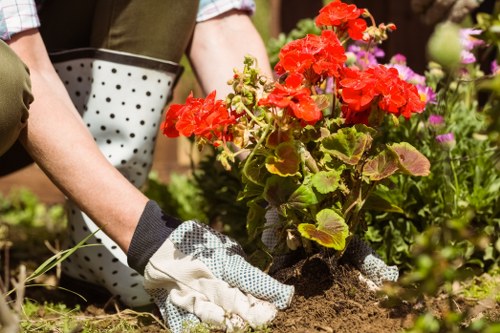
Planting work can be as simple as improving a border or as involved as reorganising a whole bed plan. In a well-kept garden, planting choices help add shape, colour and seasonal interest without making the space harder to manage. In a more tired garden, replanting can be part of a wider refresh that also includes soil improvement, edge definition and the removal of weak or overcrowded growth. The right approach depends on how established the garden already is.
Where planting is needed alongside other tasks, it often makes sense to complete the practical groundwork first. That may involve clearance, cutting back or tidying the surrounding area before new plants are introduced. If the work is linked to a broader change, our services overview can help you see how the different parts fit together before requesting a quotation. The most useful plans are often the ones that keep the garden realistic to maintain after the work is complete.
Choosing the right level of work
Some customers want a simple tidy-up, while others want to rebuild the look of the garden in a more deliberate way. A light refresh may focus on visible order: mowing, trimming, edging and removing waste. A more substantial project may include replanting, reshaping beds and improving the layout. Both approaches have value, but they suit different budgets, timescales and garden conditions. The key is to match the work to the current state of the space, not to force every garden into the same pattern.
Tree Work, Safety and Heavier Garden Tasks

Some gardens involve trees or larger woody growth that needs more than standard trimming. Where branches are too close to the house, are blocking light or have become difficult to manage, controlled tree work can be part of keeping the garden safe and usable. This may also include removing damaged material or reducing awkward growth that affects other planting and maintenance tasks. Heavier work must be handled carefully, with attention to the condition of the tree and the surrounding space.
Our tree-lopping-and-removal page covers this type of work for gardens where larger growth has become a practical issue. Safety and access matter here because the size, spread and location of the tree influence how the task is carried out. It is also important to avoid assuming that every overgrown tree needs removal; sometimes selective cutting or reduction is a better fit. A sensible assessment helps decide the right level of work.
We also keep heavier jobs connected to the wider condition of the garden. If branches, roots, fallen material or dense growth are affecting paths, beds or structures, the work may need to be planned in stages. That can make it easier to complete the task thoroughly without leaving the rest of the space in a worse state. For the customer, the main decision is whether the tree is part of the garden’s character or simply an obstacle that needs addressing.
How to Plan Your Quotation
A good quotation starts with the actual work, not with assumptions. If you are preparing an enquiry, it helps to note the main jobs you want done, the size of the garden, and anything that might affect access or timing. That can include locked gates, narrow side entrances, dense growth, heavy waste or areas that need careful handling. With those details, the quotation can be based on the real scope rather than a rough guess.
You do not need to over-explain the garden, but a clear description saves time. If the space includes different parts with different needs, list them in order of priority: for example, lawn first, then hedges, then clearance or planting. You can also mention whether the work is a one-off visit or part of a longer plan. When you are ready, pricing and quotes is the best page to use for the next step.
Two things usually matter most at this stage: what needs doing now, and what should be left alone. That distinction helps avoid unnecessary work and keeps the plan focused on the parts of the garden that will actually benefit. If you already know that you want a quick refresh rather than a fuller redesign, saying so early can keep the discussion straightforward and the proposal easier to compare.
Useful Service Pages and Next Steps

Different gardens need different combinations of work, so it can be useful to compare the main service pages before requesting a quotation. If you are looking at regular care, garden maintenance is the place to start; if the grass is the main concern, lawn-mowing gives a clearer view of that task. For larger issues, garden clearance and tree-lopping-and-removal may be more relevant, while landscaping and landscape-gardening suit more structural improvements.
When the garden needs a mix of tasks, it is often best to think in layers: first the clearance, then the shaping, then the ongoing upkeep. That gives the work a sensible order and helps avoid overlapping jobs being repeated unnecessarily. If you want to check how that might apply to your space, the services overview page can help you compare the options before you make contact. Choose the service that matches the garden as it is now, not just the result you want to see.
To move forward, send a brief description of the garden and the tasks you would like included, and ask for a quotation based on that scope. If you have already narrowed the work down, mention the priority items first and keep the rest as supporting detail. Request your quote today through the appropriate contact route and we can help you plan the work from there.