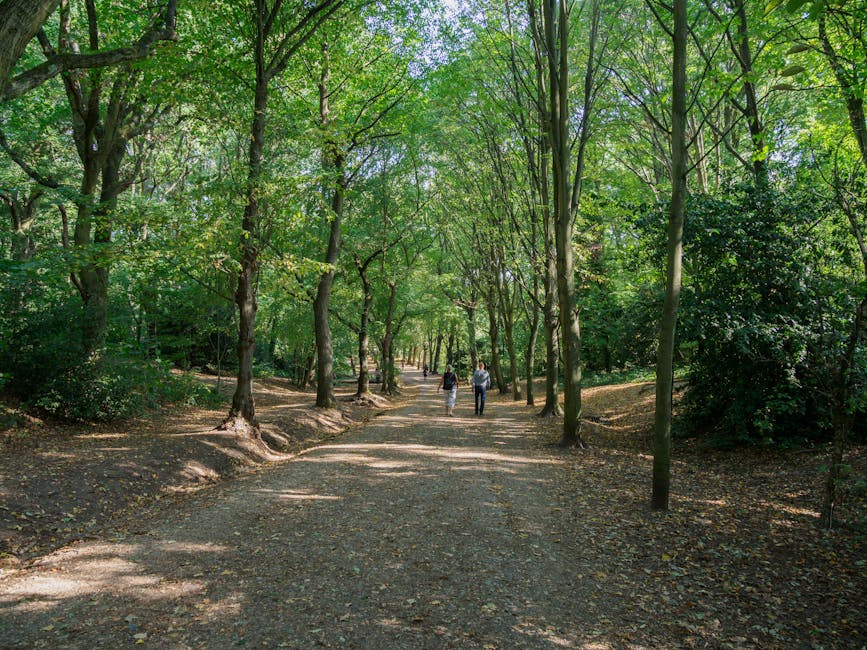
Best gardeners serving Heath Street Hampstead
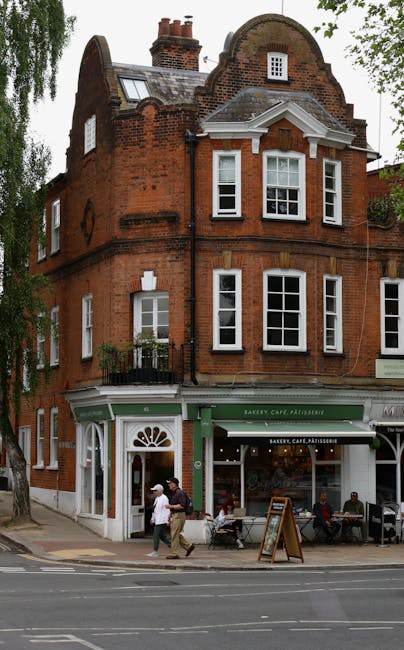
If you are searching for the Best gardeners serving Heath Street Hampstead, you are probably after more than a quick tidy-up. You want someone who understands local gardens, can work neatly in a busy London setting, and knows how to keep things looking good without creating hassle. Fair enough. Around Heath Street, gardens are often compact, lived-in, and a bit different from the broad, open spaces you see elsewhere. That changes what "good gardening" really means.
This guide breaks down what makes a strong local gardener worth choosing, how the service usually works, what to look for before you book, and where the practical pitfalls are. Whether you need regular maintenance, a one-off clearance, hedge work, or a broader garden refresh, the aim is to help you make a better decision with less guesswork.
There is a lot to think about. Access, privacy, waste removal, timing, plant care, budget, and yes, whether the work will be done properly the first time. Let's go through it in a way that feels straightforward and actually useful.
- Why this matters locally
- How the service works
- Key benefits and practical advantages
- Who this is for
- Step-by-step guidance
- Expert tips for better results
- Common mistakes to avoid
- Tools, resources and recommendations
- Law, compliance, standards, or best practice
- Options and comparison
- Real-world example
- Practical checklist
- Conclusion
- Frequently asked questions
Why Best gardeners serving Heath Street Hampstead Matters
Heath Street sits in a part of London where outdoor space is often valuable, visible, and tightly used. That matters because gardening here is not just about making things look neat. It is about managing space well, protecting plant health, keeping paths and borders usable, and making sure the garden works with the home rather than against it.
Local gardens in Hampstead can be deceptively demanding. A small front patch may need regular pruning, seasonal planting, and careful edging. A back garden might have mature shrubs, shaded corners, or awkward access through the house. Some properties have sloping ground, others have terraces, and a few have trees that block light more than people expect. Truth be told, a generic "one-size-fits-all" service usually falls short.
The best gardeners for this area tend to understand a few things very well: how London gardens behave through the seasons, how to work carefully in compact spaces, and how to leave a place tidy enough that you do not feel you need to do a second round yourself. That sounds basic, but anyone who has had cuttings left in the wrong corner or a hedge hacked too hard will know the difference immediately.
It also matters because good garden care protects value. A well-kept outdoor area can make a home feel calmer, more cared for, and more usable. Even a modest space can feel surprisingly generous when it is clean, balanced, and planted with a bit of thought. And if you use your garden often, well, you feel it day to day. Less mess, less stress, more time enjoying it.
How Best gardeners serving Heath Street Hampstead Works
In practical terms, a gardener serving Heath Street Hampstead will usually begin by understanding the space, your priorities, and the condition of the garden. That first conversation matters more than people think. If a provider asks the right questions early on, it often means the work will be smoother later.
The process commonly looks something like this:
- Initial discussion: You explain what needs doing, whether it is routine maintenance, one-off clearing, lawn care, hedge cutting, planting, or a broader redesign.
- Site review or estimate: The gardener assesses the space, access, scale, and likely labour involved. In a local London setting, this may include checking how equipment gets in and out, where waste can be loaded, and whether anything fragile needs protecting.
- Plan and timing: A good gardener will suggest a practical order of work. For example, clearance before planting, hedge work before lawn detailing, or seasonal work timed to avoid damaging tender growth.
- Delivery: The work is carried out with attention to detail, including edging, cleanup, and sensible disposal of green waste.
- Follow-up: For ongoing care, you may agree a schedule. This is especially useful if the garden needs monthly visits, not just one-off rescue jobs.
That is the simple version. In reality, the best gardeners are often part planner, part problem-solver, part tidy-up specialist. They notice what is failing before it becomes expensive. A patch of lawn thinning in shade, a hedge growing into a neighbour's boundary, compost that is too wet, a border that needs dividing. Small things, but they add up.
You may also see different service styles. Some gardeners focus on maintenance and upkeep. Others are more landscape-led and can reshape the space. A few do both. Knowing which type you need avoids a lot of wasted time.
Key Benefits and Practical Advantages
Choosing the right gardener is not just about convenience, although that helps. It is about getting a garden that is easier to live with and easier to keep healthy over time.
Here are the main benefits people usually notice:
- Better presentation: Clean edges, balanced growth, and a more polished look make an immediate difference.
- Healthier planting: Correct pruning, feeding, and seasonal care help plants recover and perform better.
- Less ongoing work for you: A proper maintenance plan means fewer emergency weekends spent wrestling with overgrowth.
- Improved safety and access: Paths, steps, and entrances are easier to use when the garden is not congested.
- More usable space: Trimming back overgrown borders or reshaping beds can make even a tiny garden feel larger.
- Better long-term value: Regular care is often cheaper than allowing problems to pile up and then fixing everything at once.
There is also a practical comfort factor. A garden that is under control feels different. You notice it on a damp morning, or when you step outside with a cup of tea and do not immediately think, "Oh no, this again." That quiet relief is part of the value, even if it does not show up on a quote line by line.
For some homeowners, the benefit is visual. For others, it is about privacy, managing leaves, reducing trip hazards, or keeping a rental property presentable between tenancies. The best gardeners serving Heath Street Hampstead should be able to adapt to each of those needs without making the process awkward.
Who This Is For and When It Makes Sense
This kind of service makes sense for a wide range of people, but especially for anyone whose garden has become a bit too much to manage alone. That happens more often than people admit.
You might need a local gardener if you are:
- a homeowner wanting regular maintenance without the weekend workload;
- a landlord preparing a property for viewings or a new tenancy;
- a busy professional with limited time but high standards;
- an older resident who wants help keeping the garden safe and manageable;
- someone with mature trees, hedges, or heavy seasonal growth;
- planning a redesign and wanting a base layer of good garden care first.
It also makes sense when the garden is not quite bad enough for a full renovation, but too unruly for a quick trim. That middle ground is common. Maybe the lawn is patchy, the hedge is encroaching, and the borders need attention. Nothing dramatic, just enough to make the space feel tired. A decent gardener can turn that around without overcomplicating it.
One thing to be honest about: not every garden needs the same type of help. A small paved courtyard may need planting, pots, and occasional weeding. A leafy back garden may need regular mowing, seasonal pruning, and better structure. If a provider offers exactly the same plan to everyone, be cautious. Your garden is not a template. It is yours.
Step-by-Step Guidance
If you want the best outcome, a little preparation goes a long way. Here is a practical way to approach hiring and working with a gardener in Heath Street Hampstead.
- Clarify what you want done. Make a short list before you enquire. Separate urgent work from nice-to-have improvements. That makes the conversation far cleaner.
- Decide whether you need one-off or regular help. If the garden grows quickly, ongoing maintenance is usually more efficient than repeated rescue jobs.
- Walk the space and note the problem areas. Overgrown hedge, mossy lawn, dead branches, poor drainage, patchy planting, awkward access. Say it plainly.
- Ask how waste will be handled. Green waste removal can be part of the service or quoted separately. Do not assume. Saves headaches later.
- Check what equipment is included. Some jobs need specialist tools. If large shrubs, thick bramble, or tree work are involved, equipment matters.
- Agree the scope before work begins. Small misunderstandings cause big frustration. A clear brief avoids the "I thought you meant the whole bed" moment. Nobody enjoys that conversation.
- Review the result against your priorities. Did the main problem get solved? Is the garden tidy? Are edges finished? Are plants handled carefully?
- Set a schedule if needed. If the garden will quickly become unruly again, booking the next visit early is smart.
It may sound obvious, but the more specific you are, the better the result tends to be. Saying "tidy up the garden" is fine as a starting point. Saying "remove the dead growth at the back, mow the lawn, clear the side path, and shape the hedge without cutting into the nesting areas" is better. Much better.
And if you are unsure what is realistic, ask for professional guidance. A good gardener will usually tell you what can be done now, what should wait, and what needs a different approach entirely.
Expert Tips for Better Results
Here are the habits and small decisions that often separate an average outcome from a genuinely good one.
- Work with the season, not against it. Some pruning is best done at specific times, and hard cutting at the wrong moment can weaken growth or reduce flowering.
- Prioritise structure first. Hedges, trees, lawn shape, and path edges define the whole garden. Get those right, and everything else feels easier.
- Do not over-clear every corner. A little natural cover can be good for soil health and wildlife. Not every leaf needs to disappear immediately.
- Use mulch where appropriate. It helps retain moisture and suppress weeds, especially in beds that dry out quickly.
- Watch the light. Hampstead gardens can have mixed shade, especially in taller streets or behind mature buildings. Plant choice should match the real light conditions, not the ideal ones.
- Be realistic about lawn expectations. In partial shade or heavy-use areas, a perfect show lawn may not be practical. There, resilience matters more than perfection.
One of the most useful things a good gardener does is say no to the wrong fix. For example, a patchy lawn might not need a dramatic overhaul. It may need aeration, better feeding, a kinder mowing routine, and less foot traffic. Simple, but not always obvious.
Also, keep a record of what was done and when. Nothing fancy. Just a note in your phone. What was pruned, what was planted, what was fed, what looked weak. Two minutes now can save a lot of guesswork later. Handy, that.
Common Mistakes to Avoid
There are a few mistakes that show up again and again when people hire gardeners for local work. They are easy to make, and even easier to avoid once you know them.
- Choosing only on price: A very low quote can mean rushed work, poor cleanup, or missing details. Cheap once can be expensive twice.
- Not defining the scope: If you do not say what matters most, the gardener may focus on the wrong part of the job.
- Ignoring access issues: Narrow side passages, stairs, locked gates, and shared entrances can affect timing and labour.
- Assuming all gardeners do the same work: Maintenance, landscaping, tree work, and design are related, but not identical.
- Leaving broken tools or obstacles in the way: It sounds minor. It is not. It slows the job and increases the chance of avoidable damage.
- Cutting back too hard in the wrong season: Plants can take months to recover from over-pruning.
Another big one: waiting too long. People often let a garden slide for a whole season, then want it transformed in a single visit. Sometimes that is possible. Sometimes it is not. Either way, honest expectations help. A gardener can do a lot, but plants grow on their own timetable, not ours. Rude, really.
And do not forget aftercare. Even the best tidy-up can fade quickly if no follow-up is planned. If the garden is prone to fast regrowth, think in terms of rhythm, not rescue.
Tools, Resources and Recommendations
You do not need to become a gardening specialist yourself, but it helps to understand a few useful tools and service areas so you can make better choices.
Common service areas to ask about:
- garden maintenance for regular upkeep, seasonal attention, and routine control;
- lawn mowing if the grass is a recurring issue or needs a tidy finish;
- hedge trimming when boundaries, privacy, or shape need restoring;
- garden clearance for overgrown, cluttered, or neglected spaces;
- landscape gardening if the space needs structure, redesign, or more ambitious improvement;
- tree lopping and removal when branches, light, or safety become a concern;
- decking services if you are improving an outdoor area for everyday use;
- services overview for a broader look at what is available.
Useful things to have ready before a visit:
- access instructions for gates, side entrances, or shared areas;
- a short list of priorities and any "do not touch" items;
- basic information about pets, delicate plants, or uneven surfaces;
- notes on whether waste removal is needed;
- photographs if you are asking for a remote estimate.
If you are comparing gardeners, it also helps to look at how they explain their service, not just what they say they can do. Clear communication usually tells you a lot. Confusing or vague answers rarely improve on the day, unfortunately.
For pricing discussions, a clear starting point helps. You can review pricing and quotes if you want a sense of how the quotation process should be handled. And if you want to know a bit more about the company behind the service, about us is the natural place to start.
Law, Compliance, Standards, or Best Practice
Garden work in a residential area is usually straightforward, but there are still sensible standards to follow. The details may vary by property and by task, so the safest approach is careful, respectful, and tidy work every time.
Best practice usually includes:
- safe handling of tools and powered equipment;
- respect for neighbouring boundaries and shared access;
- careful disposal or recycling of green waste where possible;
- attention to fragile surfaces, drains, windows, and nearby fixtures;
- clear communication before any larger cutback or removal is carried out;
- reasonable care around nesting wildlife and seasonal plant growth.
If tree work is involved, caution matters even more. Cutting or removing larger trees can have safety implications and may require specialist judgement. It is not something to wing, not if you want the result to be safe and sensible.
For service quality, it is worth asking whether the team follows documented health and safety procedures and whether work is covered appropriately. You can read more about health and safety policy and insurance and safety if those details matter to you, which they probably should. On a practical level, that reassurance matters when heavy tools, ladders, sharp edges, or awkward spaces are involved.
Waste and sustainability are also part of modern garden care. Recycling cuttings, reducing unnecessary disposal, and using materials sensibly can all make a difference. If that is important to you, the company's recycling and sustainability information may be worth a look.
Options, Methods, or Comparison Table
Different gardens need different approaches. Sometimes the real question is not "Who is best?" but "Which type of service fits this garden right now?" The table below should help with that.
| Service type | Best for | Typical benefits | Things to watch |
|---|---|---|---|
| Regular garden maintenance | Homes that need ongoing care and neat presentation | Consistent appearance, less overgrowth, easier long-term control | Needs a clear schedule and shared expectations |
| One-off garden clearance | Neglected, cluttered, or overgrown spaces | Fast reset, improved access, visible change in a short time | Can uncover underlying issues that need follow-up work |
| Landscape gardening | Gardens needing redesign, structure, or improved layout | Better flow, stronger planting plan, more usable space | Usually more involved and may take planning time |
| Hedge and tree-focused work | Properties with mature growth, privacy screens, or light issues | Cleaner boundaries, improved daylight, safer structure | Requires careful timing and suitable equipment |
| Garden enhancement with decking or hard landscaping | Outdoor areas needing better use and definition | More practical seating, easier movement, cleaner lines | Should be planned around drainage, access, and existing planting |
There is no single "best" method for everyone. A courtyard in Heath Street is not the same as a larger rear garden tucked behind a period property. Start with the actual condition of the space, then choose the service that solves the real problem, not just the obvious one.
Case Study or Real-World Example
Here is a simple real-world style example based on a common local scenario.
A homeowner near Heath Street had a back garden that had drifted into a messy middle ground. The lawn was thin in places, the hedge had crept out toward the path, and the borders had lost definition. Nothing disastrous. Just enough that every time they looked outside, they felt slightly annoyed. You know the feeling.
Instead of trying to tackle everything in one go, the gardener split the work into stages. First came clearance of dead growth and a proper tidy-up of the access path. Then the hedge was shaped with care, not butchered. After that, attention turned to the lawn edges and the soil in the beds. Finally, the gardener suggested a short list of low-maintenance planting to improve structure without adding more work later.
The result was not a dramatic "before and after" fantasy. It was better than that. The garden started to feel usable again. The path looked wider. The hedge looked intentional. The lawn, while not perfect, looked managed. And because the work was paced properly, the space could be maintained rather than reset all over again a month later.
That is often what the best local garden service really does. It gives a garden back to the people who use it. Quietly, sensibly, without fuss.
Practical Checklist
Use this before you book or before the next visit. Simple is good here.
- Define the main goal: maintenance, clearance, pruning, lawn care, redesign, or a mix.
- Identify urgent issues: overgrowth, access problems, dead plants, unsafe branches, drainage concerns.
- Decide your timeline: one-off visit, seasonal work, or regular visits.
- Check access: gates, side passages, shared entrances, parking considerations.
- Ask about waste removal: included, optional, or separate.
- Confirm the scope: what will be done, what will not be done, and what may need follow-up.
- Discuss plant sensitivities: new planting, mature shrubs, wildlife areas, or fragile features.
- Request a clear quote: especially if multiple tasks are involved.
- Ask how often the garden should be maintained: monthly, fortnightly, seasonal, or as needed.
- Keep a photo record: handy for future reference and easier planning.
Quick expert summary: the best results come from clear scope, realistic timing, and a gardener who understands both plant care and local conditions. That is the sweet spot. Not flashy, just effective.
For anyone who wants a broader sense of the company's approach, the main homepage and blog can also provide useful context, especially if you are comparing services or trying to understand what level of care your garden may need.
Get a free quote today and see how much you can save.
Conclusion
Finding the best gardeners serving Heath Street Hampstead is really about finding the right fit: local awareness, clear communication, reliable workmanship, and a practical understanding of what your garden actually needs. That combination saves time, avoids frustration, and usually gives you a better result than chasing the lowest price or the fastest promise.
Whether your garden needs regular maintenance, a careful clearance, hedge shaping, or a more thoughtful redesign, the right help should make the space feel calmer and easier to use. And honestly, that is what most people want in the end. Not perfection. Just a garden that feels looked after.
If you are still weighing up your options, take your time, ask good questions, and choose the service that feels grounded and clear. A garden can recover. A good decision now makes the next season much easier.
Sometimes the best outdoor spaces are not the fanciest ones. They are the ones that simply feel right when you step outside.
Frequently Asked Questions
What should I look for in the best gardeners serving Heath Street Hampstead?
Look for clear communication, local experience, a sensible approach to maintenance, and a willingness to explain what is included in the job. Good gardeners should be able to talk through access, timing, waste removal, and plant care without being vague.
Do I need regular garden maintenance or just a one-off visit?
If your garden grows quickly or needs consistent presentation, regular maintenance usually makes more sense. If the space has only drifted out of control or needs a seasonal reset, a one-off visit may be enough to get things back on track.
How often should a garden in Hampstead be maintained?
That depends on the garden itself. Some spaces need weekly or fortnightly attention during peak growth, while others only need monthly or seasonal visits. A good gardener will recommend a frequency based on actual conditions, not a fixed rule.
Is hedge trimming included in general garden maintenance?
Sometimes it is, sometimes it is quoted separately. It depends on the size, height, and complexity of the hedge. It is always worth asking, because hedge work can take more time and equipment than a general tidy-up.
Can a gardener help with overgrown or neglected gardens?
Yes. Garden clearance is often the first step when a space has become heavily overgrown. After that, a gardener may suggest follow-up maintenance or planting changes to stop the same problem from coming back.
What if my garden has poor light or lots of shade?
That is very common in London gardens. A good gardener should choose plants and maintenance methods that suit shaded conditions rather than forcing sun-loving plants into the wrong place. Shade-tolerant planting often works much better in the long run.
Do I need to be home while the gardening work is done?
Not always, but it depends on access and your comfort level. If the team needs gate access or there are specific instructions, being available at the start can be helpful. For repeat visits, many people prefer to arrange a routine that works without constant supervision.
What happens to green waste after a garden visit?
Green waste may be taken away, recycled, composted, or left for your own disposal depending on the arrangement. Always confirm this in advance so you know what to expect and do not end up with a surprise pile at the gate.
How do I know if I need landscaping rather than maintenance?
If the garden needs a new layout, better structure, hard landscaping, or a more substantial design change, landscaping is likely the better option. If the space is basically fine but just needs control and upkeep, maintenance is probably enough.
Are there any safety standards I should ask about?
Yes. It is sensible to ask about health and safety practices, insurance, and how tools are handled. This matters most for larger jobs, ladder work, hedge cutting, and tree-related tasks. A professional service should be comfortable discussing it.
Can I ask for a quote before booking?
Absolutely. In fact, you should. A clear quote helps you understand the scope, likely cost, and whether the work is a fit for your budget. If the pricing is unclear, that is usually a warning sign rather than a minor detail.
What is the best way to prepare my garden for a visit?
Clear access, make a short list of priorities, move fragile items if needed, and point out anything special such as pets, delicate planting, or shared entrances. A little preparation makes the job smoother and usually improves the result.
Where can I learn more about the services available?
You can start with the services overview and then look at specific pages such as garden maintenance, garden clearance, or landscape gardening depending on what your space needs most.