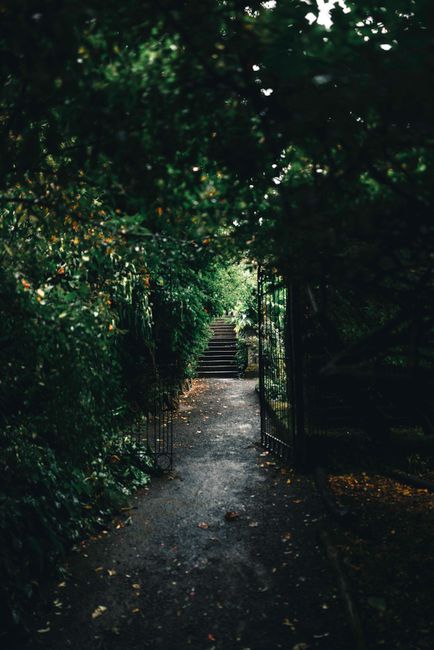
Access issues for Hampstead gardeners narrow gardens and steps
If you have ever tried to get tools, plants, waste bags, or even a wheelbarrow through a tight side return and up a couple of awkward steps, you already know the problem. Access issues for Hampstead gardeners narrow gardens and steps can turn a simple tidy-up into a careful bit of planning. In Hampstead, where older properties, split-level plots, and compact London gardens are common, access can be the difference between a smooth visit and a frustrating one.
This guide explains what access issues actually mean in practice, why they matter, and how a gardener can work around them without damaging paving, walls, fences, or your back. We will also cover the best ways to prepare, what methods tend to work in narrow gardens, and when a specialist approach is worth it. Truth be told, a lot of the stress disappears once the access problem is understood properly.
Table of Contents
- Why Access Issues Matter
- How Access Problems Are Managed
- Key Benefits and Practical Advantages
- Who This Is For and When It Makes Sense
- Step-by-Step Guidance
- Expert Tips for Better Results
- Common Mistakes to Avoid
- Tools, Resources and Recommendations
- Law, Compliance, Standards, or Best Practice
- Options, Methods, or Comparison Table
- Case Study or Real-World Example
- Practical Checklist
- Conclusion
- Frequently Asked Questions
Why Access issues for Hampstead gardeners narrow gardens and steps Matters
Garden access is not just a convenience issue. It affects time, safety, the quality of the finish, and sometimes the total cost of the job. A garden may look modest from the back door, but if the route is tight, sloping, or broken by steps, every task becomes slower and more physical. That includes routine work like mowing, hedge cutting, pruning, clearance, and planting.
In a place like Hampstead, access can be especially tricky because gardens are often layered, inherited over time, and fitted around existing buildings rather than the other way round. You may have a narrow passage between the house and boundary wall. You may have steep stone steps. You may have a basement exit or a raised terrace. Any one of those can affect how equipment is carried, where waste is stacked, and how safely a team can move around.
There is also a practical design point here. When access is difficult, people sometimes avoid proper maintenance because they assume the job will be too disruptive. Then the garden gets overgrown, paths become slippery, and the problem snowballs. A well-planned access approach prevents that. It keeps the space manageable instead of letting the layout dictate what can or cannot be done.
Expert summary: Narrow access and steps do not automatically make a garden difficult to maintain, but they do require smarter planning, lighter handling methods, and a realistic schedule. That is the whole game.
How Access issues for Hampstead gardeners narrow gardens and steps Works
Managing access in a compact Hampstead garden starts with a simple question: how does everything get in and out safely? That includes the gardener, the tools, the materials, and the waste. Once that route is mapped, the work can be adapted. Sometimes that means smaller tools. Sometimes it means splitting the job into stages. Sometimes it means using bags rather than bins, or carrying waste in shorter, more controlled loads.
The first part of the process is a quick access assessment. A sensible gardener will look at:
- the width of side passages and gateways
- the height, depth, and condition of steps
- the surface underfoot, especially if it is wet or mossy
- whether corners are tight enough to block larger tools
- where waste can be staged without causing a trip hazard
- whether there is enough turning space for mowers, trimmers, or sacks
After that comes method selection. A long-handled hedge trimmer may be easier to use than carrying ladders through a cramped run. A compact mower can be more practical than a bulky machine. For some jobs, hand tools are simply the better choice. Not glamorous, maybe, but reliable. And reliability matters more than looks when you are trying not to scrape a rendered wall on the way past.
For difficult steps, the working pattern often changes too. Rather than hauling heavy loads up and down repeatedly, a team may set up a temporary staging area, move materials in smaller batches, or use protective boards to reduce wear on delicate surfaces. If the steps are particularly steep or uneven, extra care is needed because a small slip with a spade or bag of cuttings can create a bigger problem very quickly.
Good access management is therefore part logistics, part safety, and part craft. It is not dramatic. It is just what makes the rest of the garden work possible.
Key Benefits and Practical Advantages
Getting access right has a surprising number of knock-on benefits. The obvious one is safety, but the less obvious ones are often the most valuable.
- Less damage to the property: Narrow paths and steps can be protected with the right handling and equipment choice.
- Cleaner results: When movement is planned well, there is less mess dragged through the house or across paving.
- Faster work overall: It sounds odd, but a slower, better-planned approach often finishes sooner than repeated back-and-forth improvising.
- Better plant care: Plants are less likely to be crushed or bumped if routes are thought through in advance.
- Reduced physical strain: Smaller loads and efficient movement matter a lot on steps and in tight passages.
- More predictable pricing: Access difficulties can affect the quote, so clarity upfront helps avoid awkward surprises later.
There is also a comfort factor. If you live in the property, you probably do not want garden work to turn into a full-day disruption with mud at the back door and equipment leaning awkwardly against a wall. Most people prefer a tidy, controlled visit. Quite reasonable, really.
For homeowners thinking about improvements, access planning can also shape future decisions. A redesign that includes wider paths, safer step edges, or better storage for tools can make routine maintenance much easier. That is especially helpful if you already use garden maintenance services and want to keep the garden in good shape rather than start from scratch each time.
Who This Is For and When It Makes Sense
This topic is relevant to a wider group than you might think. It is not only for very small gardens, either. A large garden can have terrible access if the route is narrow or split across levels.
You will find access planning especially useful if you:
- own a narrow town garden or side-return garden
- have steep steps leading to the rear or lower level
- live in a period property with tight gates or awkward angles
- need regular visits for mowing, trimming, or border care
- are arranging a one-off clearance after a long gap in maintenance
- want landscaping work without damage to existing surfaces
- have limited personal mobility and need the garden made easier to use
It also makes sense if you are planning work that generates a lot of waste. Clearance jobs, hedge reductions, tree pruning, and turf removal all create movement in and out of the garden. If access is poor, a job that looked simple in the morning can become a bit of a shuffle by lunchtime.
Commercially, it makes sense for anyone comparing quotes too. A gardener who understands access will often ask better questions before arriving. That usually means a more honest estimate. If you are reviewing multiple options, the broader services overview can help you think about which service level is actually needed rather than guessing.
Step-by-Step Guidance
Here is a practical way to handle access issues in a narrow Hampstead garden or a property with steps.
- Measure the route. Check the narrowest width, the number of steps, and any awkward corners. Do not rely on memory. A tape measure is boring, yes, but it saves trouble.
- Look at the surface. Stone, brick, gravel, decking, and paving behave differently. Wet mossy steps are a different job from dry concrete ones.
- Identify pinch points. Note where a mower handle catches, where a sack could snag, or where a wheelbarrow cannot turn.
- Decide what can stay outside. Sometimes tools can be staged in the front, or materials can be delivered in smaller loads.
- Choose the right equipment. Compact, hand-held, or modular tools usually work better than oversized gear.
- Protect the route. Use boards, mats, or careful lifting where appropriate to reduce scuffing and soil transfer.
- Work in stages. On difficult access jobs, splitting the task into sections is often cleaner and safer than trying to rush through everything at once.
- Check waste handling before you begin. Cuttings and debris need somewhere sensible to go. That is one of those things people forget until there is a mountain of green waste by the back door.
If the job involves more substantial overgrowth or a long-neglected plot, it can help to combine planning with garden clearance so the worst of the congestion is removed before finer work begins.
For larger structural changes, especially where steps or borders affect usability, landscaping and landscape gardening services may be the right route. That is particularly true if access issues are tied to layout, not just maintenance.
Expert Tips for Better Results
In practice, the best results usually come from small, sensible decisions rather than heroic effort. Here are the habits that tend to make the biggest difference.
- Keep the heaviest work closest to the exit. If you can reduce how far waste needs to travel, do it. It saves time and energy.
- Use lighter loads on steps. One smaller bag is safer than one overly ambitious one. No prizes for carrying too much.
- Cut back in passes. In a narrow garden, a phased approach can prevent tangles, snags, and accidental damage to borders.
- Communicate the exact access route. A quick note about the number of steps or a tight gate can change the tools brought on the day.
- Think about the weather. A damp morning can make steps slick and narrow paving even less forgiving.
- Trim and clear before you redesign. If you are planning a larger refresh, a neat baseline helps everyone see the space properly.
Small detail, big difference. That is the honest truth of access work.
If your garden also has tall hedging, it may be worth coordinating with hedge trimming so access along the edges is opened up before other tasks begin. A few extra inches can matter more than it sounds.
Common Mistakes to Avoid
Most access problems are manageable. The trouble usually comes from assuming they are minor. They are not minor if somebody has to drag a heavy load up uneven steps while balancing a tool in the other hand.
- Not mentioning the steps or gate width in advance. This is the big one. It leads to the wrong equipment and a slower start.
- Underestimating how narrow the route feels once tools are carried. A passage that looks fine empty may be awkward with bags, trays, or a mower.
- Leaving slippery surfaces untreated. Moss and wet leaves on steps are a real hazard.
- Trying to move too much at once. Heavy loads are the enemy of control.
- Ignoring the waste route. Clearing the garden is only half the job if there is nowhere to place the arisings.
- Planning design changes without thinking about future maintenance. A lovely new layout is less lovely if it creates impossible access every week.
One slightly funny but very real mistake is assuming every gardener will just "manage somehow." Sometimes they will, but sometimes that means extra time, more strain, and a messier day for everyone. Better to be direct from the start.
Tools, Resources and Recommendations
You do not need a huge toolkit to deal with access issues well. In many cases, smaller is better.
| Tool or approach | Why it helps in narrow gardens | Best use case |
|---|---|---|
| Compact hand tools | Easier to carry through tight routes and around steps | General maintenance, pruning, border work |
| Lightweight mower | Reduces strain on stairs and narrow paths | Lawn mowing where access is limited |
| Secured waste sacks | Safer than loose bundles or overfilled barrows | Green waste and clearance jobs |
| Protective boards or mats | Helps shield paving and reduces dragging damage | Delicate surfaces and heavy foot traffic |
| Hand shears and loppers | More controllable than large machines in tight spaces | Hedge work and selective cuts |
For routine upkeep, keep the route as clear as the garden itself. You would be surprised how much better a job goes when hoses are wound away, pots are moved aside, and the steps are not acting like a storage shelf.
If you want to understand how service quality and working practices are handled more broadly, the company's health and safety policy and insurance and safety pages are useful reference points. For sustainability-minded waste handling, the recycling and sustainability information is also worth a look.
Law, Compliance, Standards, or Best Practice
Access issues in gardens are usually handled through common-sense safety practice rather than anything exotic. That said, there are still some sensible expectations to keep in mind. Anyone working on steps, near uneven surfaces, or with carrying hazards should take care to avoid slips, trips, and manual handling strain. In the UK, that means working in a way that is reasonably safe, methodical, and suited to the site.
From a homeowner's point of view, the main best-practice questions are simple:
- Is the route safe for carrying equipment and waste?
- Are steps stable, clear, and well lit?
- Has the team been told about any narrow side access or changes in level?
- Will the work create extra risk for residents, children, or pets?
- Is the chosen method appropriate for the space, not just the task?
For service providers, transparency matters too. If access makes a quote more complex, that should be explained clearly. That is one reason it helps to review pricing and quotes information before booking. It gives you a better idea of how site conditions may shape the estimate.
Good practice is not about being fussy. It is about avoiding preventable accidents and keeping the property in decent shape while the work is done. Simple enough, really.
Options, Methods, or Comparison Table
Different access problems call for different solutions. Here is a simple comparison that can help you think it through.
| Method | Works well for | Trade-off |
|---|---|---|
| Manual carry with small tools | Very narrow passages, delicate gardens, awkward steps | Slower, but controlled |
| Compact powered tools | Regular maintenance with limited access | May still be heavy or awkward in tight turns |
| Staged work from the nearest access point | Clearance, pruning, seasonal tidying | Requires more organisation |
| Redesigning access routes | Persistent problems affecting future maintenance | Higher upfront effort, but long-term ease |
If the problem is mostly about routine cutting, a compact tool strategy is usually enough. If the problem is structural, such as a steep run of steps or a very narrow side entrance, the answer may be more about redesign than labour. That is where services like decking services can also play a role, especially if the surface layout needs improving to create a safer, more usable route.
Case Study or Real-World Example
Picture a typical Hampstead rear garden with a narrow side passage, two uneven steps, and a small patio at the top. The garden has been left for a few months, so the hedge has pushed into the path, the lawn needs cutting, and there is a pile of clippings from a previous attempt at tidying. Nothing dramatic. Just one of those gardens that looks manageable until you start moving around in it.
In a case like this, the first sensible move is not to attack the whole space at once. It is to open up the route. The hedge is trimmed back, loose debris is cleared, and the steps are checked for slipping points. Once the passage is usable again, mowing and border work become much easier. Waste is collected in smaller bags so the narrow route stays clear, and heavier material is staged near the easiest exit point.
What changed? Not the size of the garden. The access strategy changed. That is often the difference between a job that drags on and a job that feels calm and organised. And yes, calm is possible even when the space is tight. A bit surprising maybe, but very real.
If the garden has become overwhelmed, a combination of garden clearance and regular lawn mowing can reset the space so future visits are much simpler.
Practical Checklist
Before a garden visit in a narrow property with steps, run through this checklist. It saves time and keeps the day smoother.
- Measure the narrowest access point
- Count the steps and note any uneven ones
- Check for slippery moss, leaves, or loose stones
- Move bikes, bins, and pots out of the route
- Decide where waste can be stacked safely
- Flag any low walls, sharp corners, or fragile surfaces
- Tell the gardener about gates, locks, and key access
- Confirm whether large tools will fit or need to be replaced with smaller ones
- Ask whether the work would benefit from staged visits
- Make sure pets and children are kept clear of the access route
Quick practical takeaway: if the route feels awkward to you, it will probably feel awkward carrying equipment too. Mention it early. Always.
Conclusion
Access issues for Hampstead gardeners narrow gardens and steps are not a niche problem. They are part of everyday garden work in many London homes, especially where space is compact and levels change quickly. The good news is that these issues are usually manageable with the right planning, the right tools, and a sensible approach to movement and safety.
The key is not to treat access as an afterthought. It shapes the quote, the schedule, the equipment, and the final finish. Once the route is understood, the rest becomes much easier to solve. That applies whether you are keeping a small garden tidy, opening up an overgrown space, or planning a more substantial redesign.
For a company background and service standards, you may also find the about us page and accessibility statement useful. If you are ready to discuss a difficult garden layout, the next step is a straightforward conversation and a clear site assessment.
Get a free quote today and see how much you can save.
Sometimes the smallest route changes make the biggest difference. And once that narrow path finally works, the whole garden feels lighter.
Frequently Asked Questions
How do gardeners deal with narrow garden access?
They usually switch to smaller tools, lighter loads, and more careful staging. In some cases, work is split into stages so the route stays clear and safe throughout the visit.
Are steps a problem for regular garden maintenance?
They can be, especially if they are steep, uneven, or slippery. Steps do not stop maintenance, but they do mean the job needs better planning and safer handling.
Should I mention access issues before booking a gardener?
Yes. Always. If the side passage is tight or there are several steps, that information helps the gardener bring the right tools and give a more realistic quote.
What kind of gardens usually have access problems in Hampstead?
Older terraced homes, split-level plots, basement gardens, and compact rear gardens often have awkward routes, narrow side access, or changes in level that need attention.
Can a garden be landscaped if access is poor?
Yes, but the design may need to be adapted. In some cases, access problems influence the materials used, the order of work, and whether layout changes are needed to improve long-term usability.
Does poor access make garden work more expensive?
It can, because the work may take longer or require different equipment. That said, a clear explanation of the access route usually helps avoid surprises and keeps pricing fair.
What should I clear before a gardener arrives?
Move bins, bikes, plant pots, garden furniture, and anything else blocking the route. It is also helpful to clear loose leaves or obvious trip hazards from the steps.
Is it better to use hand tools in a narrow garden?
Often, yes. Hand tools and compact equipment can be easier to manoeuvre through tight routes and around steps, especially where larger machines would be awkward.
Can access problems affect hedge trimming or tree work?
Definitely. Tall or bulky cutting work can be much more difficult if the access route is narrow. In those cases, planning, staging, and suitable equipment matter even more.
What if my steps are old and uneven?
That should be mentioned early. Uneven steps change how materials are carried and may require extra caution. A good gardener will factor that into the method and pace of work.
Is garden clearance harder when access is limited?
Usually, yes, because clearance creates more waste movement. Smaller loads and a tidy stacking plan help a lot, and sometimes the route needs to be cleared before the main work can begin.
Where can I learn more about service standards and safety?
The most relevant pages are the company's health and safety, insurance and safety, and accessibility information. Those pages help show how the work is approached in a safe and practical way.